
Back to Health
Physical Therapy

Physical Therapy for Spine and Joint Pain
Physical Therapy for Back, Neck, Shoulder, Hip, and Knee Pain
Spine and joint pain are among the most common reasons people seek physical therapy. Whether it’s low back pain, neck pain, shoulder pain, hip pain, or knee pain, these symptoms can range from mildly irritating to significantly limiting daily life.
Pain may begin suddenly after an injury or lifting incident. It may also develop gradually without a clear cause. In many cases, imaging such as an MRI or X-ray does not provide clear answers.
One of the most important things I help patients understand is this: Pain does not always match what shows up on a scan.
Many people have disc bulges, arthritis, or degenerative changes on imaging but experience no symptoms. Others have significant pain with minimal structural findings. This disconnect can be frustrating, but it highlights something important: how your body moves and responds to load often matters more than what imaging shows.
Spine and joint symptoms are rarely random. Pain often changes based on:
-
Position
-
Activity level
-
Time of day
-
Repeated movements
This variability gives us useful information about what is driving the problem and how to treat it effectively.

Common Spine and Joint Conditions I Treat
Patients seek physical therapy for a wide range of spine and joint concerns. Some have acute pain after lifting, twisting, or sports activity. Others have chronic pain that cycles through flare-ups without fully resolving.
Common presentations include:
-
Low back pain, with or without sciatica
-
Neck pain, sometimes with headaches or arm symptoms
-
Shoulder pain, limiting reaching or lifting
-
Hip pain, stiffness with walking or sitting
-
Knee pain, difficulty with stairs, squatting, or exercise
-
Joint pain related to arthritis or overuse
Many patients have already tried:
-
Rest
-
Stretching
-
General exercise programs
-
Injections
-
Imaging-based reassurance
Some have been told they need to “live with it” or that surgery is the only solution.
Often, there is more that can be done.
A thorough mechanical assessment can uncover movement patterns and loading strategies that have not yet been addressed. Even long-standing spine and joint pain can respond when the correct mechanical direction is identified.
When to Seek Physical Therapy for Spine or Joint Pain
You do not need to wait for symptoms to become severe before seeking evaluation.
Consider an assessment if you:
-
Have pain that has lasted more than a few weeks
-
Experience recurring flare-ups
-
Feel stuck or plateaued with prior treatment
-
Notice radiating pain, numbness, or stiffness that limits function
-
Are unsure whether surgery is necessary
An evaluation provides clarity about what is driving your symptoms and whether a structured, movement-based plan is appropriate.
If you are unsure whether physical therapy can help your spine or joint pain, an assessment is a reasonable first step.
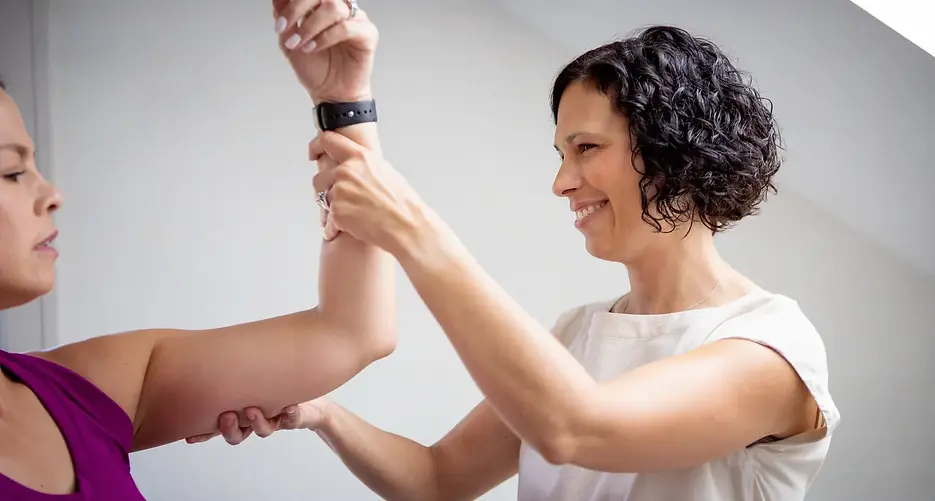
How I Evaluate Spine and Joint Conditions
My approach is grounded in Mechanical Diagnosis and Therapy (MDT), a system that classifies spine and joint conditions based on how symptoms respond to repeated movements and sustained positions.
Rather than relying only on a diagnosis label or imaging report, I use your body’s real-time responses to guide treatment decisions.
During your evaluation, I guide you through specific movements while monitoring how your symptoms behave. Some movements may temporarily increase discomfort. Others may reduce pain, improve range of motion, or centralize symptoms (meaning pain moves from the arm or leg back toward the spine).
These responses help determine:
-
Whether the condition will respond quickly to targeted exercise
-
Whether a joint, disc, or muscular component is involved
-
What direction treatment should take
In many cases, surrounding muscles contribute significantly to persistent pain. For example:
-
Chronic low back pain often involves the gluteals, quadratus lumborum, or hip rotators
-
Shoulder pain may involve the rotator cuff, upper trapezius, or thoracic spine
-
Hip or knee pain may relate to mechanics higher or lower in the kinetic chain
When appropriate, I use manual therapy, myofascial mobilization, and dry needling to address these contributing factors.
Treatment is individualized and typically includes:
-
Targeted movement-based exercises
-
Hands-on techniques
-
A structured home program
-
Education about positions and activities that support recovery
The goal is not only symptom relief but also improved function and reduced recurrence.
Every visit is one-on-one and focused on identifying the underlying cause of your symptoms so treatment is specific to your body and goals. Call 708-512-5124 today to schedule your appointment.
Spine and Joint Physical Therapy FAQ
Can physical therapy help if my imaging is normal?
Yes. Many spine conditions do not show clearly on MRI or imaging. Pain is often related to muscle coordination, joint mechanics, nervous system sensitivity, or pressure management — all of which are movement-based issues. A normal scan does not mean your symptoms are "in your head" and are often very treatable with the right approach.
How can spine and joint physical therapy help chronic pain?
Chronic spine or joint pain often persists because muscles, joints, or nerves are not functioning together optimally, and movement patterns may reinforce discomfort over time. Mechanical Diagnosis & Therapy (McKenzie Method) evaluates your spine and joints by carefully monitoring your symptoms and movement responses to identify the true source of pain. Treatment combines symptom-based movement strategies with education on myofascial mobilization techniques, central sensitization, vagus nerve tone, and optimal breathing. Core and hip strengthening may also be incorporated to improve stability and support overall function. For women, recent research shows that up to 80% of spine pain is correlated with pelvic floor dysfunction, highlighting the importance of addressing both systems together when appropriate. Through individualized assessment, guided exercises, and ongoing reassessment, spine and joint physical therapy can reduce pain, improve movement, and support long-term recovery.
What causes low back or spine pain?
Low back and spine pain can develop from a combination of joint stiffness, muscle imbalance, disc irritation, or movement patterns that repeatedly stress certain areas of the body. Pain may persist even when imaging appears normal because muscles, joints, and the nervous system are not working together efficiently. Mechanical Diagnosis & Therapy (McKenzie Method) helps identify the true source of symptoms by monitoring how pain responds to specific movements and positions. Treatment may include symptom-based exercises, myofascial mobilization when appropriate, breathing and movement retraining, and education on nervous system sensitivity. For many women, spine pain is also connected to pelvic floor dysfunction, which may be addressed as part of a comprehensive treatment plan.
Can physical therapy help with hip, knee, or joint pain?
Yes. Joint pain is often influenced by how nearby muscles, fascia, and joints move and coordinate rather than a problem isolated to the joint itself. Poor movement patterns, stiffness, or muscle overuse can increase stress on the hips, knees, or other joints. Physical therapy evaluates how your body moves as a whole to determine what is driving symptoms. Treatment may include McKenzie-based movement assessment, myofascial mobilization, mobility and strengthening exercises, and coordination training for the core and hips. Improving how forces move through the body helps reduce pain and improves long-term joint function.
Can poor posture or movement habits make pain worse?
Yes. Posture and movement habits influence how stress is distributed through the spine and joints. Prolonged sitting, repetitive movements, or compensations from previous injuries can create ongoing strain and discomfort. Physical therapy helps identify which positions or movements aggravate symptoms and teaches alternatives that allow tissues to move more efficiently. Treatment may include movement retraining, breathing coordination, myofascial mobilization, and strengthening of the core and hips to better support the spine during daily activities.
Why does my tailbone (coccyx) hurt when sitting?
Tailbone pain can occur after a fall, prolonged sitting, childbirth, or sometimes without a clear injury. The coccyx is closely connected to the pelvic floor, sacrum, and surrounding muscles, so tension, joint irritation, or poor coordination in these areas can increase pressure and pain with sitting or transitions. Treatment may include myofascial mobilization, pelvic floor relaxation and coordination work, sitting and posture modifications, and movement-based exercises to reduce pressure on the tailbone. In some cases, and only when appropriate, internal coccyx assessment or mobilization can be helpful to address joint restriction or muscle tension that cannot be reached externally. This is always discussed beforehand and is never required. Postpartum tailbone pain may involve pelvic floor tension, joint irritation, or an unrecognized coccyx injury during delivery, all of which can be addressed with specialized pelvic health physical therapy. If previous treatment has not resolved your coccyx pain, a more detailed assessment of pelvic floor coordination and coccyx mobility may reveal contributing factors that were previously overlooked.
Why does my pain keep coming back even after treatment elsewhere?
Recurring pain is common and does not mean something is seriously wrong. In many cases, the underlying movement or coordination problem was never fully identified, or patients were not taught how to recognize early warning signs when symptoms begin to return. Without understanding what triggers symptoms or how to respond early, pain can gradually build again over time. Research shows that recurrence of spine pain can be as high as 90% over two years without maintenance strategies, which is why learning how to manage symptoms early is an important part of recovery. The goal is not long-term dependence on therapy, but helping you understand your body so recurrence feels predictable, manageable, and often preventable. Many patients find that once they know what to watch for and how to respond, they are able to maintain their progress independently and return quickly to normal activities if symptoms reappear.